Startorus Fusion recently closed a RMB 500 million Series A+ financing round. The round was led by investors including FORTUNE CAPITAL, ShangHai Capital, Shanghai Shenergy Chengyi, Sunshine Ronghui Capital Investment Management Co., INDUSTRIAL SECURITIES CAPITAL, Songqing Capital, HONGTAI APLUS, Trivesta Capital, Jingming Capita, Green Harbor Investment. Existing Series A investor Flyfot Venture Capital continued its participation. With this round, the company’s cumulative financing has surpassed RMB 2 billion.
This Series A+ round was completed rapidly following the RMB 1 billion Series A financing in January 2026, which was led by Shanghai state-owned capital. The funds will further support the company’s core engineering priorities: the construction of Shanghai Jiading Experimental Base, the on-site installation and commissioning of The Negative Triangularity Spherical Tokamak (NTST), iterative optimization of the CTRFR-1 (Startorus No.1) design, the finalized production of fusion-reactor-grade high-temperature superconducting magnets, and the engineering application of key technologies including AI plasma control.
Parallel Development of Three Generations of Apparatus, Key Milestones Advanced on Schedule
Startorus Fusion is currently advancing a three-tier system of “Operation—Construction—R&D” across its three generations of apparatus: the operational SUNIST-2 (developed in collaboration with Tsinghua University), the under-construction NTST, and the R&D-stage CTRFR-1. Since the closure of the Series A round, all core engineering projects have progressed steadily as planned.
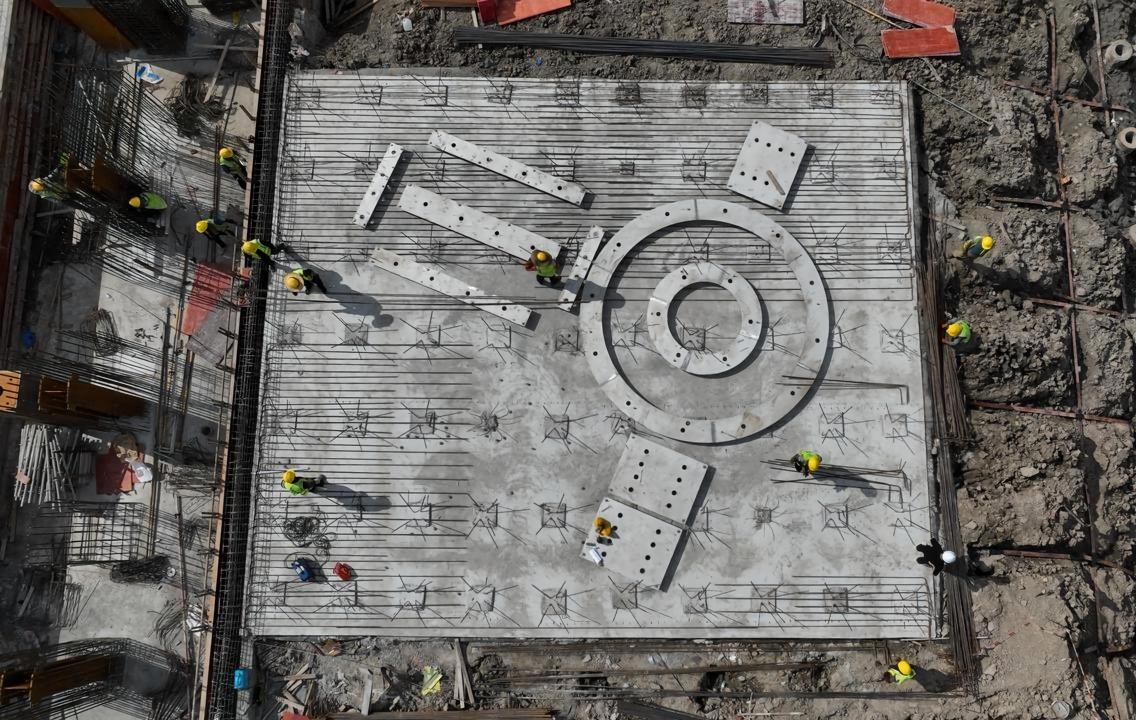
The construction of the Shanghai Jiading Experimental Base is being accelerated. Located in Xuhang Town, Jiading District, Shanghai Jiading Experimental Base of Startorus Fusion covers approximately 25 mu with a total floor area of 50,000 square meters, consisting of three functional zones: an apparatus hall, research and manufacturing workshops, and supporting service facilities. The project has set a new “Jiading Speed” in construction progress: on April 10, 2026, it obtained the pile foundation construction permit within 24 hours of land acquisition, marking another key industrial project in Jiading to achieve “immediate construction upon land handover”. The main structure of the apparatus hall is scheduled to be completed in the second half of 2026, with full completion and commissioning in 2027. Upon completion, it will become a leading domestic R&D and engineering verification platform for fusion energy.
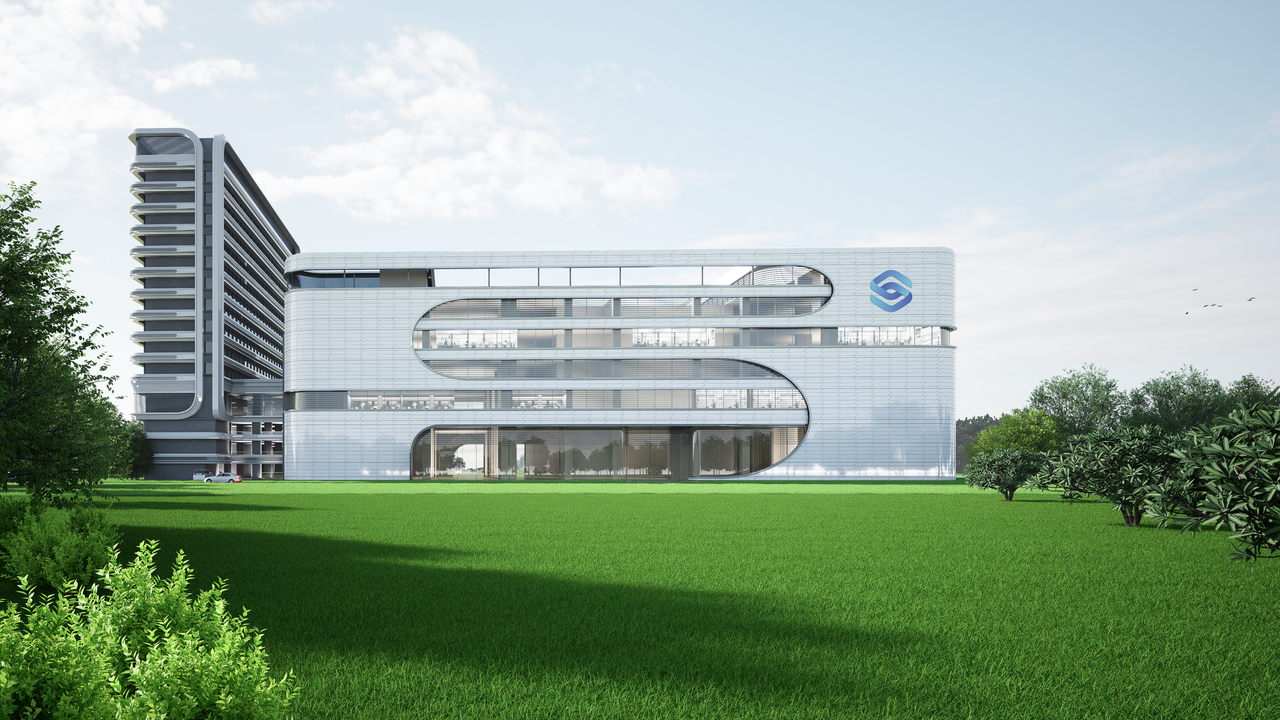
Rendering of Shanghai Experimental Base
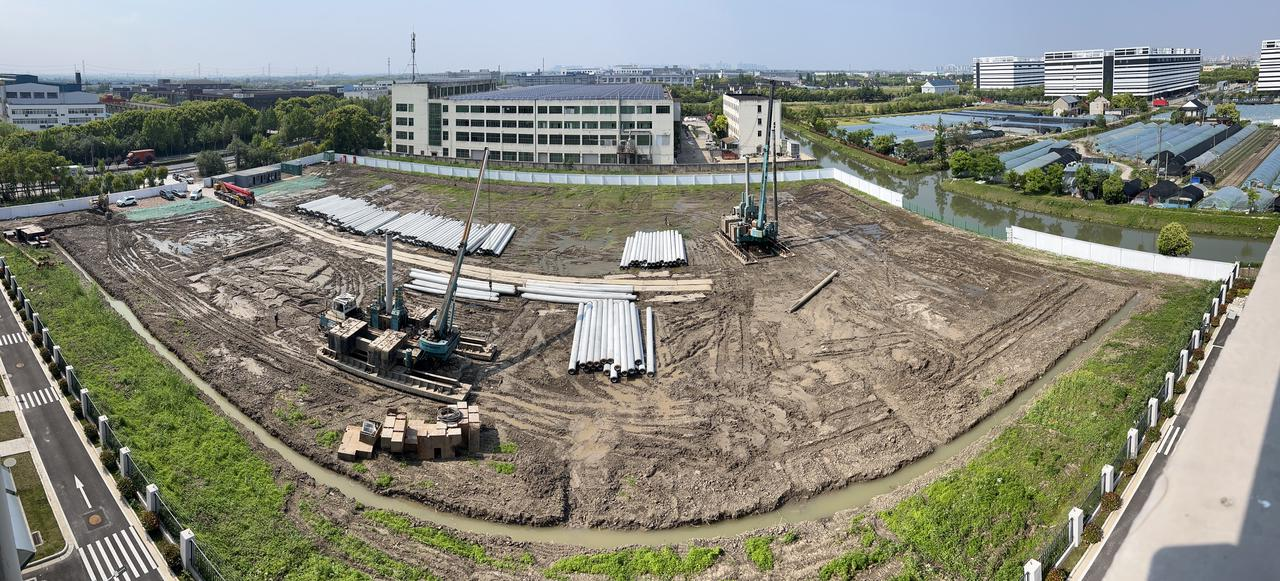
Aerial View of Shanghai Experimental Base
On-site installation of the NTST apparatus is imminent. All core host components of NTST—including the vacuum vessel, cryostat, structural parts and coils—have confirmed designated manufacturing partners, with all cooperation contracts formally signed. The winding of coils and fabrication of coil casings have entered full mass production; process designs for key components such as the vacuum vessel and cryostat have been finalized, and raw materials for the project have been delivered sequentially, ensuring steady and orderly overall construction. Upon completion of the apparatus hall, the world’s first Negative Triangular Spherical Tokamak (NTST) will be installed on-site, with installation and commissioning targeted for 2026 and operation at rated parameters scheduled for 2027. 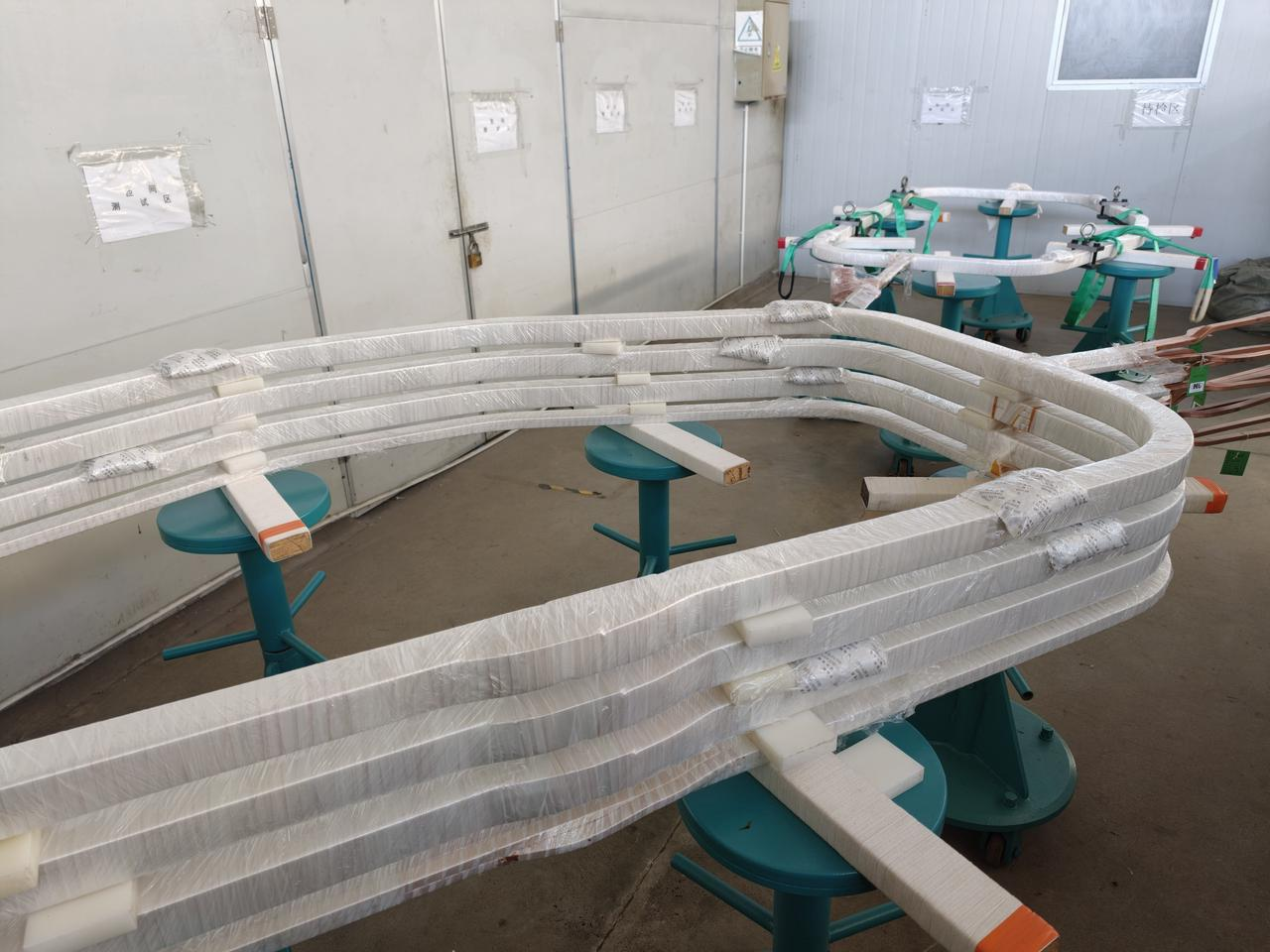
TF Coils after Casing Installation
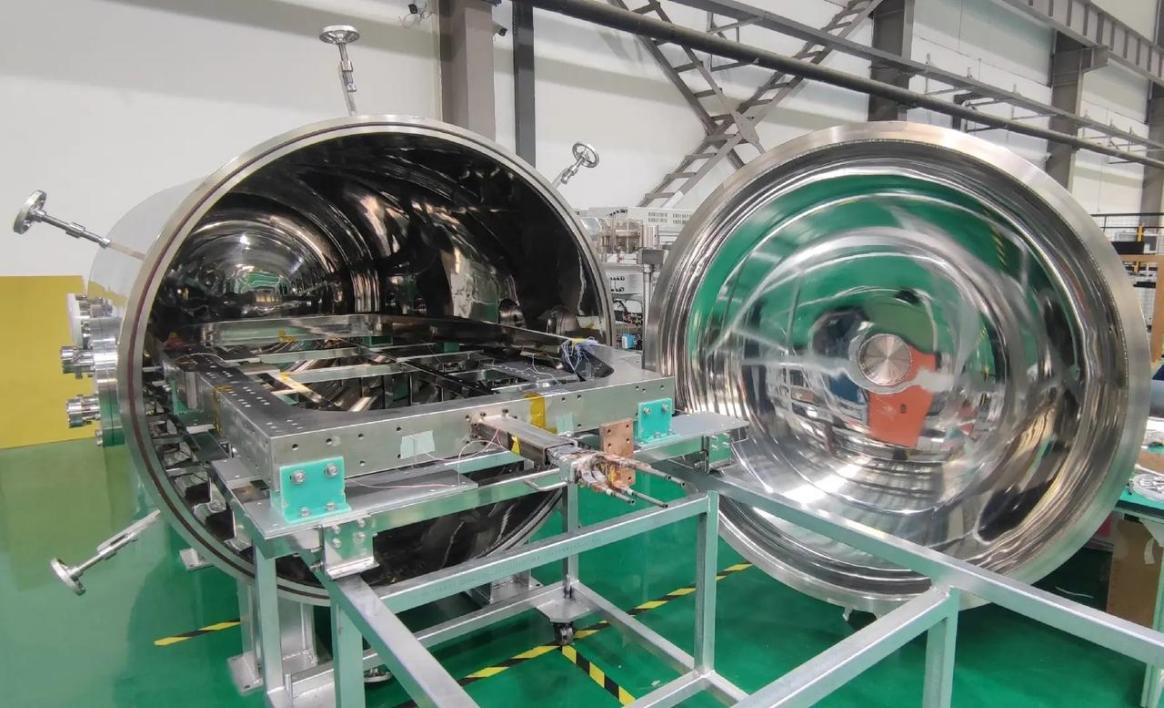
NTST Toroidal Field Magnet Cryostat Test Diagra
Magnets and control systems are advancing in tandem. The company has established full-process R&D and manufacturing capabilities for high-temperature superconducting magnets. Its self-developed Toroidal Field Magnet Coil (TFMC) features a maximum dimension of 4 meters, a full-scale fusion-reactor-grade prototype (non-scaled model)—the world’s first high-temperature superconducting toroidal field magnet designed specifically for spherical tokamaks. Unlike high-temperature superconducting magnets for conventional tokamaks, spherical tokamaks feature an extremely compact central column layout, requiring several times higher engineering current density for magnets. The TFMC is custom-engineered to meet such extreme operational requirements, with technical complexity far exceeding that of conventional configurations. The supporting Central Solenoid Magnet Coil (CSMC) is progressing in tandem, with both entering the final testing and finalization phase. Meanwhile, the deep learning-based intelligent plasma diagnostic monitoring system and AI control algorithms are under continuous iteration, initially enabling isoflux control and achieving a leap from 0-dimensional global parameter control to 1-dimensional refined distribution control. Adopting an “expert+AI Agent collaborative R&D” model, the R&D team completed three diagnostic tasks within about one week: magnetic probe signal reconstruction (R²≈0.97), AXUV anomaly detection (accuracy improved from 86% to 98%), and IDS anomaly detection (near 100% precision). R&D man-hours were cut from around 200 hours to 34 hours, a roughly 6-fold efficiency gain. Notably, the system operates without reliance on large-scale historical training data and generates interpretable physical model codes, marking a milestone in the integration of AI Agents into the company’s R&D workflow.
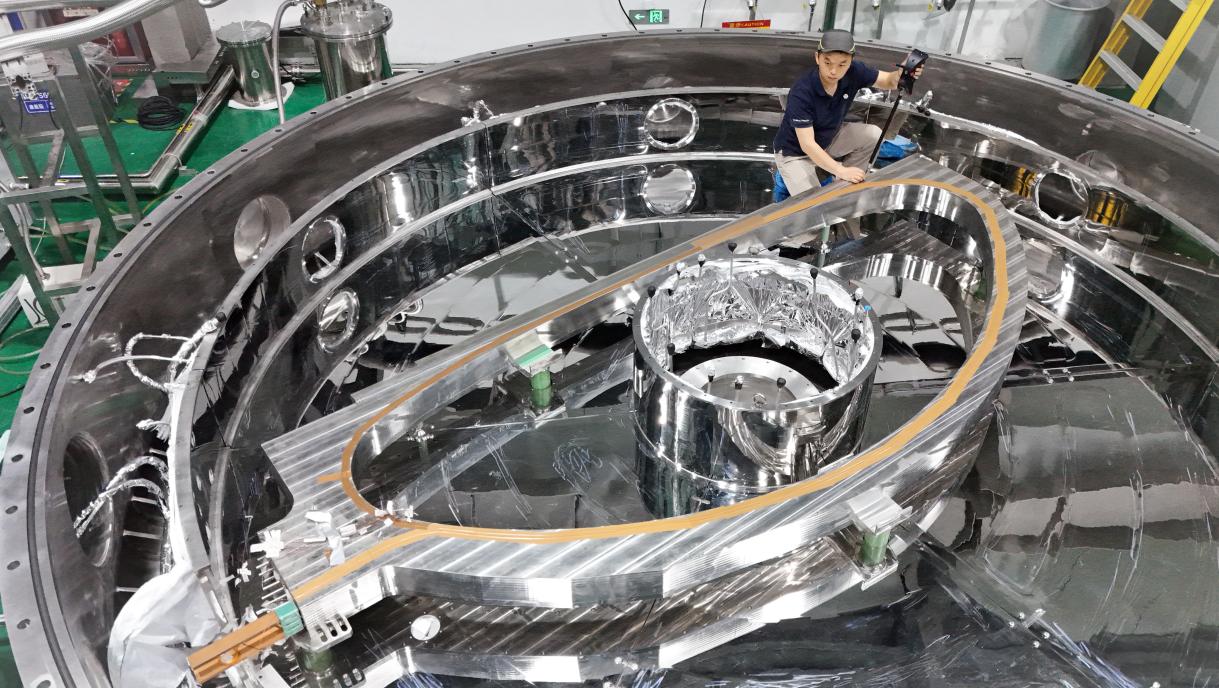
TFMC Toroidal Field Coil
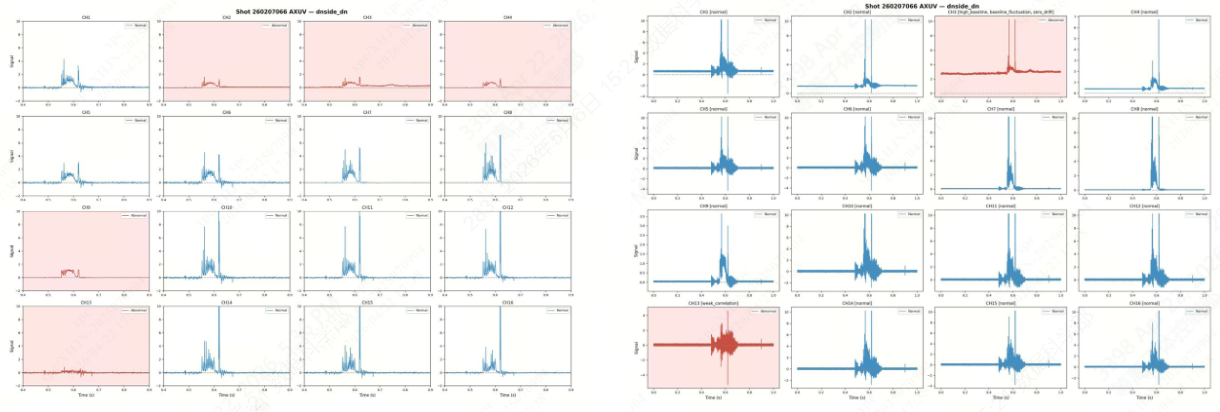
AXUV Anomaly Detection Demonstration
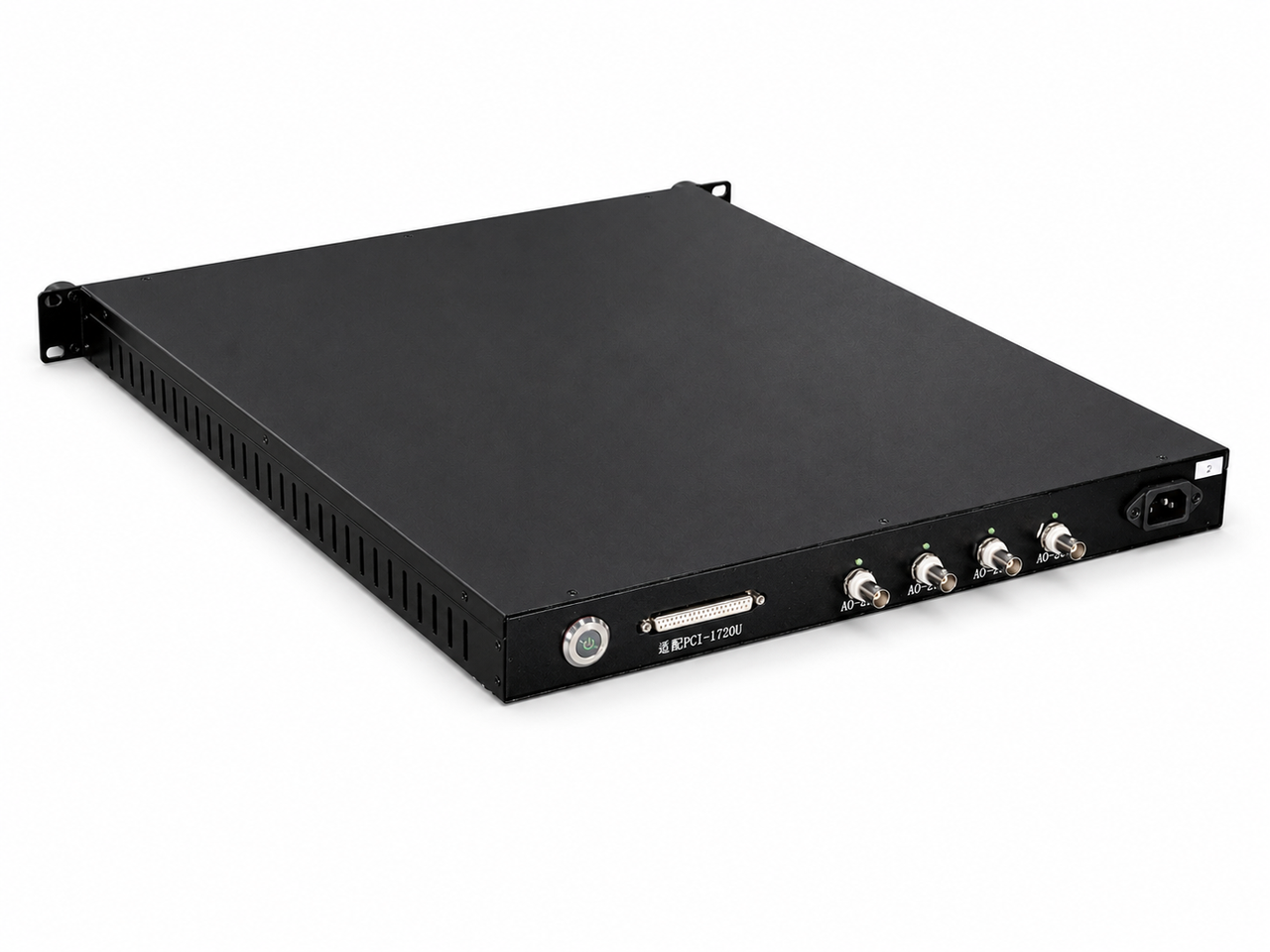
Startorus Electronics continues to deliver commercialization results. Suzhou Startorus Fusion Technology Co., Ltd. (Startorus Electronics) focuses on core electrical and electronic products for fusion applications. Independently developed and industrialized to meet the engineering demands of SUNIST-2 and NTST, its product portfolio covers three major lines: Pulsed Power Supplies: kA-level modular units supporting arbitrary series-parallel stacking, with current control capability over 1 kA/ms and 10 kHz response speed, underpinning AI plasma control. Signal Conditioning Equipment: high-bandwidth isolation amplifiers, general isolation amplifiers, and analog integrators. Signal Acquisition & Sensing Equipment: Extreme Physics Integrated Tester (EPIC), CoaxLink Nano single-channel collectors, and OFDR distributed stress/temperature sensing systems. These products are already sold to universities and research institutions, with spillover application potential in extreme environment measurement scenarios such as aerospace and high-end equipment manufacturing, laying a foundation for sustainable self-generated revenue.
Accelerated Global Fusion Commercialization, Rise of China’s Industrial Echelon
Global commercialization of controlled nuclear fusion is entering a substantive acceleration phase. Leading international players including Commonwealth Fusion Systems (CFS), Helion Energy, TAE Technologies and Tokamak Energy have each secured financing of hundreds of millions of US dollars in recent years, with valuations generally reaching billions of US dollars. Domestic investment in fusion energy has surged between 2024 and 2026, attracting participation from central state-owned enterprises, local state capital and top-tier venture capital firms.
Nuclear fusion has evolved from “a distant scientific dream” into a new industrial era characterized by “verifiable engineering feasibility and investable commercial value”. Adopting the repetitive reconnection Spherical Tokamak technical route, Startorus Fusion delivers high-efficiency fusion via the compact configuration of spherical tokamaks and repetitive magnetic reconnection heating mechanisms. The company concurrently advances the engineering translation of core technologies including high-temperature superconducting magnets and AI plasma control, charting a commercialization path toward demonstration fusion reactors.
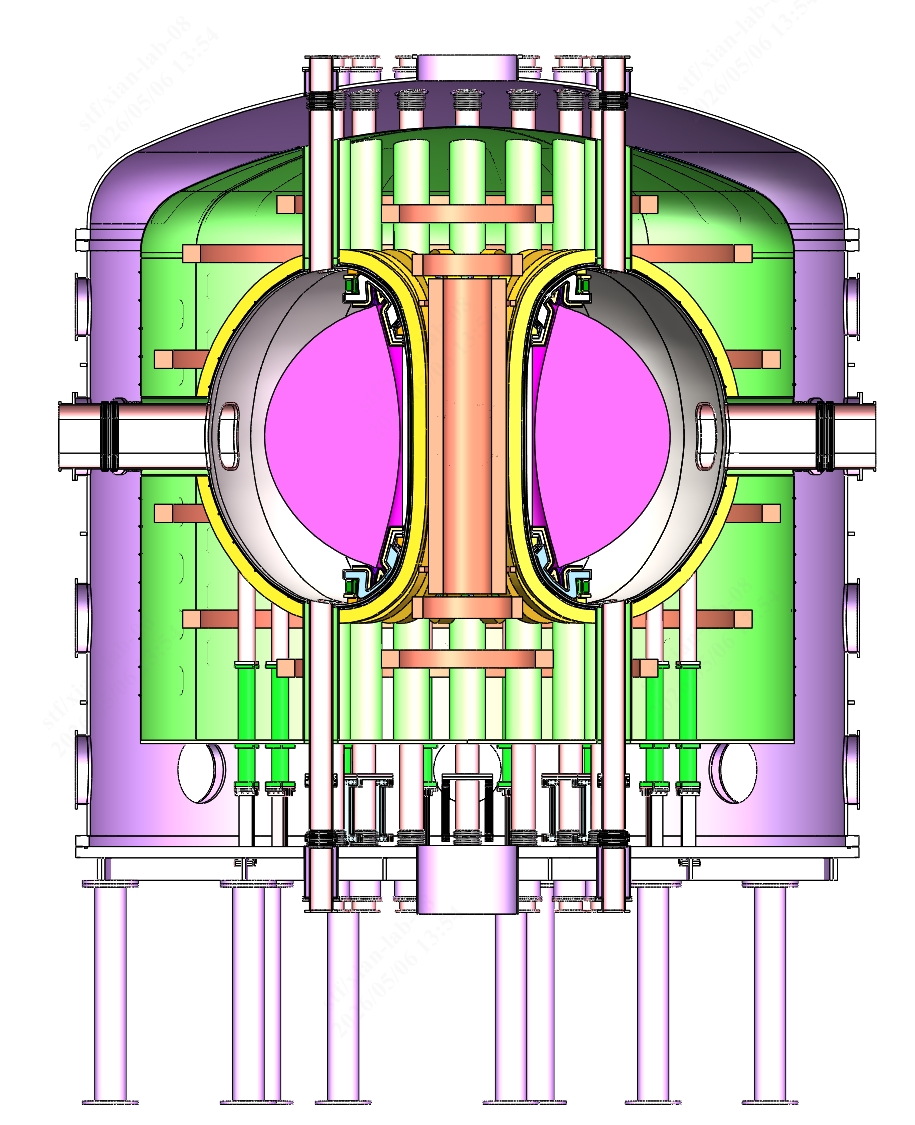
CTRFR-1 Cross-Section Diagram
Commercialization Roadmap
| Timeline | Milestone |
| Second half of 2026 | Completion of the main construction of the apparatus hall at the Shanghai Jiading Base |
| By the end of 2026 | Completion of NTST apparatus installation |
| 2027 | NTST operation at rated parameters |
| 2026–2027 | Continuous iterative optimization of the CTRFR-1 design |
| Around 2028 | Completion of CTRFR-1 apparatus installation and engineering verification |
| 2029–2030 | Achievement of the fusion performance target of equivalent Q > 1 |
| Early 2030s | Completion of the fusion reactor demonstration facility capable of exporting electricity |
Investor Insights
FORTUNE Capital: Controlled nuclear fusion is a core future industry underpinning carbon neutrality and energy independence, with its commercialization entering an accelerated window period. We are bullish on the engineering advantages of compact fusion routes. Boasting a top-tier technical team, proprietary high-temperature superconducting spherical tokamak technology and a clear commercialization roadmap, Startorus Fusion stands as a core player in the global private fusion first tier. We will fully support the company in advancing the construction of its No.1 apparatus and the launch of demonstration reactors, jointly driving breakthrough development of China’s controlled nuclear fusion industry.
ShangHai Capital: We hold strong optimism for the enormous growth prospects and historic opportunities of controlled nuclear fusion as a strategic emerging industry outlined in China’s 15th Five-Year Plan. Spun off from the technology transformation project of the Department of Engineering Physics at Tsinghua University, Startorus Fusion’s core team has over two decades of in-depth expertise in nuclear fusion with profound theoretical and engineering experience. Focusing on the spherical tokamak route, the company innovatively adopts a technical solution featuring “magnetic reconnection heating” and “short-pulse repetitive operation”, aiming to achieve miniaturized facilities and cost breakthroughs in construction and operation, thus forging a differentiated development path distinct from traditional large-scale tokamaks. Going forward, GP Investment will collaborate with industrial ecosystem partners to deliver pragmatic industrial synergy and resource support for Startorus Fusion, accelerate its breakthroughs in key technologies, and empower it to excel in the global energy landscape competition.
Shanghai Shenergy Chengyi:Investment in Startorus Fusion represents a key strategic layout for Shanghai Shenergy Chengyi in future energy. We have previously invested in leading future fusion energy enterprises including China Fusion Energy and Shanghai Superconductor. As a state-owned energy CVC firm based in Shanghai, we will continue to drive innovation and transformation in the energy system, contributing to Shanghai’s ambition of building a global innovation hub for fusion energy. Startorus Fusion demonstrates robust R&D strength and efficient engineering capabilities, ranking among China’s top commercial fusion companies in technical parameters. We look forward to in-depth cooperation with Startorus Fusion to accelerate the commercialization of nuclear fusion.
Sunshine Ronghui Capital Investment Management Co.:Controlled nuclear fusion is not only an energy revolution but also the ultimate test for high-end manufacturing and extreme engineering capabilities. We consistently focus on deep-tech innovative enterprises with core proprietary technologies. Startorus Fusion’s end-to-end independent R&D strengths in key segments such as high-temperature superconducting magnets and pulsed power systems align perfectly with China’s strategic direction for high-end manufacturing industrial upgrading. Sunshine Ronghui Capital remains firmly bullish on Startorus Fusion’s journey from technological leadership to commercial success.
Songqing Capital:As a forward-looking future industry prioritized in China’s 15th Five-Year Plan, controlled nuclear fusion serves as a new economic growth driver with far-reaching strategic significance and broad commercial application prospects. Startorus Fusion is one of the few domestic deep-tech nuclear fusion enterprises with an original proprietary technical route. Its core team hails from Tsinghua University, boasting profound academic accumulation and top-tier industrialization capabilities in controlled fusion. The company innovates in spherical tokamak technology and actively promotes industrial implementation. Songqing Capital is highly optimistic about Startorus Fusion’s growth potential and will engage in in-depth collaboration to launch diversified strategic partnerships across the industrial chain, empowering the company’s sustainable development. We expect Startorus Fusion to grow into a benchmark enterprise for independent controllability of China’s core nuclear fusion technologies, participate deeply in global fusion energy competition, evolve into a pivotal force shaping the future energy landscape, and inject strong momentum into China’s national energy strategic layout.
Flyfot Venture Capital: Since 2006, Flyfot Venture Capital has focused on deep-tech investment and successfully incubated multiple IPO enterprises. As controlled nuclear fusion stands as a strategic high ground for national energy independence and a core future track, Flyfot Venture Capital has heavily invested in Startorus Fusion, the leading spherical tokamak player, while expanding upstream into core components such as cryogenic systems to build a comprehensive investment ecosystem for fusion energy. As a long-term partner of Startorus Fusion, Flyfot Venture Capital has witnessed the Tsinghua team’s accumulated technological innovation and steady, down-to-earth progress in engineering development, laying a clear path for the early realization of controlled nuclear fusion. We remain long-term bullish and will continue to increase our investment exposure.